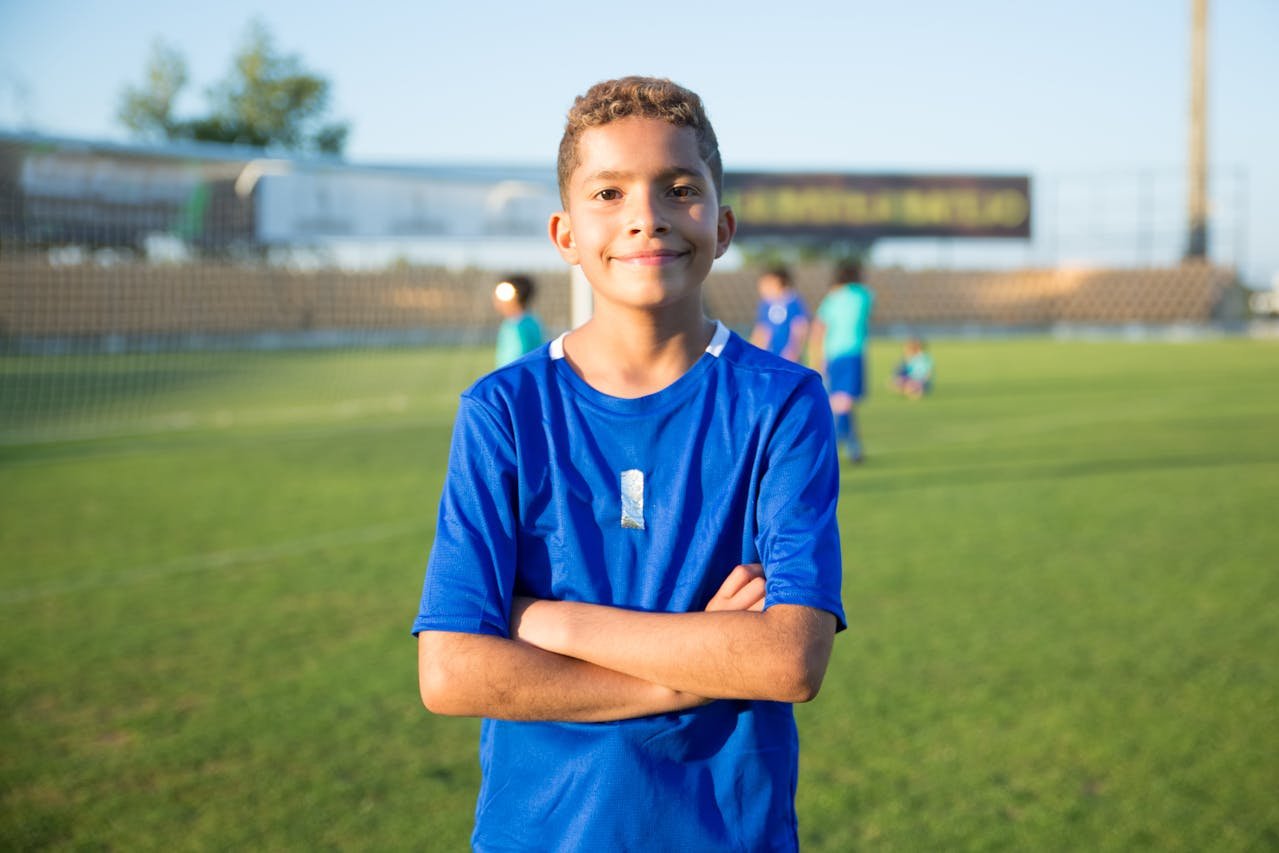

Confidence is one of the most important factors for young soccer players. Without it, even skilled athletes may struggle to perform under pressure. Many parents and coaches notice kids hesitating to take shots, avoid challenging plays, or get frustrated after mistakes. Building soccer confidence in young players isn’t about making them fearless—it’s about helping them trust their skills, take initiative, and enjoy the game.
This guide focuses on practical strategies for both coaches and parents. You’ll discover ways to nurture self-belief, encourage persistence, and create an environment where young players thrive. Understanding these techniques helps young athletes improve not only their performance but also their love for soccer.
Why Confidence Matters in Soccer
Confidence affects decision-making, performance, and overall development. A confident player is more likely to try new skills, take risks, and handle mistakes effectively. Without confidence, a player may freeze during crucial moments, miss open opportunities, or avoid teamwork challenges.
Building soccer confidence in young players also impacts long-term development. Athletes who trust themselves are more likely to continue playing, improve faster, and handle competition positively. Confidence is not innate—it grows from consistent encouragement, guided practice, and supportive environments.
Signs Your Player Lacks Confidence
Young players struggling with self-belief may show these behaviors:
- Hesitating to take shots or passes.
- Reluctance to try new skills or techniques.
- Frequent negative self-talk after mistakes.
- Avoiding leadership roles or decision-making on the field.
Recognizing these signs early allows coaches and parents to apply strategies that build confidence effectively, helping players gain control of their performance and attitude.
Helpful Hint:
Confidence isn’t about always succeeding. Teach young players that mistakes are opportunities to learn, not reasons to stop trying. Reinforcing effort over outcomes builds long-term self-belief.
Creating a Positive Environment
A supportive environment is the foundation for building soccer confidence in young players. Coaches and parents should focus on encouragement rather than criticism. Emphasize effort, teamwork, and incremental improvement instead of solely winning games.
Positive reinforcement helps players feel safe to try new skills. Highlight small successes, like accurate passing or improved ball control, even if the team doesn’t win. This approach fosters resilience, motivation, and a mindset that values growth over perfection.
Strategies for Coaches
Coaches can build confidence by:
- Offering constructive feedback instead of harsh criticism.
- Setting realistic challenges that match each player’s skill level.
- Creating drills that encourage decision-making and creativity.
- Recognizing effort and improvement publicly to reinforce self-belief.
Strategies for Parents
Parents play a critical role in reinforcing confidence:
- Celebrate progress rather than just victories.
- Model positive behavior—avoid negative comments about mistakes.
- Encourage your child to set personal goals and track improvement.
- Support healthy risk-taking by praising initiative on the field.
Helpful Hint:
Both coaches and parents should use consistent language that emphasizes growth. Words like “effort,” “try,” and “progress” reinforce confidence more effectively than constant focus on winning.
Setting Achievable Goals
Goal-setting is an effective method to build soccer confidence in young players. When players have clear, attainable objectives, they can measure progress and experience success frequently. This reinforces self-belief and encourages persistence.
Start with small, specific goals, such as improving passing accuracy, completing a dribble successfully, or making a certain number of tackles during practice. Gradually increase difficulty as confidence grows. This approach helps players feel capable without overwhelming them.
SMART Goals for Young Players
A practical framework for goal-setting is SMART goals—Specific, Measurable, Achievable, Relevant, and Time-bound. For example, a player could aim to “complete 10 successful short passes in a 15-minute drill by the end of the week.” Achieving this provides a clear sense of accomplishment.
Stats:
Studies show that athletes who set clear, incremental goals are 30% more likely to improve performance and maintain motivation compared to those without structured goals.
Why Goals Build Confidence
Goals give players tangible evidence of their abilities. They shift focus from fear of failure to measurable progress, helping young athletes understand that growth comes step by step. This also teaches patience, resilience, and self-assessment skills.
Skill Development and Confidence
Developing soccer skills directly impacts a young player’s confidence. The more a player feels capable on the field, the more willing they are to take initiative. Skill development includes both technical abilities, like dribbling, passing, and shooting, and tactical understanding, such as positioning and decision-making.
It’s important to focus on incremental improvement. Encourage players to practice consistently and set mini-goals within each training session. When they see themselves mastering a skill, their confidence naturally grows.
How to Build Skills Effectively
- Break down complex skills into smaller, manageable steps.
- Use drills that encourage creativity and problem-solving rather than rote repetition.
- Practice under game-like conditions to prepare for real match pressure.
- Track progress so players can see tangible improvement over time.
Helpful Hint:
Encourage players to focus on what they can control—their effort and technique—rather than worrying about outcomes or opponents. This shift boosts confidence and reduces performance anxiety.
Handling Mistakes and Setbacks
Mistakes are inevitable in soccer, but how a young player handles them can define their confidence. Fear of failure can prevent players from trying new skills or taking risks during games. Teaching them to view mistakes as learning opportunities is crucial.
Constructive Approaches to Mistakes
- Discuss mistakes calmly, focusing on improvement instead of blame.
- Encourage reflection: ask players what they can do differently next time.
- Celebrate the effort put into taking risks, even if the outcome isn’t perfect.
- Model resilience by sharing your own experiences with mistakes and learning.
This approach reduces pressure and fosters a growth mindset. Players learn that errors are not a reflection of their ability but a natural part of improvement.
Stats:
Research in youth sports psychology shows that athletes with a growth mindset are 40% more likely to maintain confidence after setbacks compared to those with a fixed mindset.
Mental Strategies and Visualization
Mental training is just as important as physical training. Visualization, self-talk, and relaxation techniques help players manage nerves, maintain focus, and reinforce confidence. Teaching young players simple mental strategies prepares them for challenging game situations.
Visualization Techniques
Have players picture themselves successfully completing a skill, like scoring a goal or making a precise pass. Visualizing success trains the brain to anticipate positive outcomes, reducing anxiety and boosting self-belief.
Positive Self-Talk
Encourage players to replace negative thoughts with constructive phrases. For example, instead of saying, “I always mess up,” they can say, “I’ll focus and try again.” Positive self-talk reinforces confidence and keeps players motivated.
Helpful Hint:
Practice visualization and self-talk during training sessions so players can use these strategies naturally in games. Mental rehearsal builds automatic confidence in stressful situations.
Encouraging Leadership and Decision-Making
Confidence grows when players take ownership on the field. Encouraging leadership and decision-making empowers young athletes to trust themselves and take initiative. Leaders don’t have to be the most skilled—they are players who communicate, motivate teammates, and make decisions confidently.
Ways to Foster Leadership
- Rotate captain roles during practices and games to give everyone leadership experience.
- Encourage players to make tactical decisions during drills, such as passing choices or positioning.
- Provide positive feedback when players demonstrate initiative, even in small ways.
Giving young players opportunities to lead builds self-confidence and reinforces that their choices and actions matter. This mindset translates into greater independence, resilience, and performance on the field.
Creating Consistent Practice Routines
Consistency in training is essential for building soccer confidence in young players. Regular practice allows them to refine skills, experiment with new techniques, and see measurable progress. A well-structured routine reduces anxiety because players know what to expect and feel prepared for challenges.
Components of a Consistent Routine
- Warm-ups that include coordination and balance exercises.
- Skill drills that focus on passing, shooting, dribbling, and ball control.
- Small-sided games that replicate real match situations.
- Cool-downs with stretching and reflection on performance.
Consistency isn’t about quantity; short, focused sessions are often more effective than long, irregular ones. Repetition builds muscle memory and reinforces confidence in executing skills under pressure.
Helpful Hint:
Encourage players to track their practice sessions, noting improvements and challenges. Seeing steady progress reinforces confidence and motivates continued effort.
Building Social Confidence and Teamwork
Soccer is a team sport, so confidence isn’t only about individual skills. Young players must feel comfortable communicating, collaborating, and supporting teammates. Social confidence helps them lead, follow, and contribute positively in matches.
Fostering Team Interaction
- Encourage group drills that require collaboration and decision-making.
- Promote open communication among players during practice and games.
- Celebrate assists, teamwork, and supportive behaviors, not just goals.
When players feel accepted and valued by teammates, they are more willing to take risks and try new moves. Social confidence strengthens their overall self-belief and enjoyment of the game.
Stats:
Studies show that youth athletes with strong social support from teammates demonstrate higher confidence and lower anxiety during competitive games.
Integrating Competition Without Pressure
Competition is a natural part of soccer, but too much pressure can damage confidence. Young players need opportunities to challenge themselves in a supportive environment. Balancing competitiveness with encouragement helps them learn resilience and adaptability.
Approaches to Healthy Competition
- Focus on personal improvement and team objectives rather than only wins and losses.
- Use small-sided games to create more opportunities for success and involvement.
- Provide feedback that emphasizes effort, decision-making, and creativity over results.
Healthy competition teaches players to handle pressure constructively. They learn that mistakes are part of the process and that confidence grows from persistence, not just victories.
Measuring Progress and Reinforcing Growth
Tracking progress is vital to building soccer confidence in young players. Clear benchmarks allow players to see their development, celebrate achievements, and identify areas for improvement. This process reinforces self-belief and encourages continued effort.
Methods to Track Progress
- Skill charts that record passing accuracy, dribbling success, or shooting consistency.
- Video reviews to show improvement in positioning and decision-making.
- Goal journals for players to note personal achievements and lessons learned.
Regularly reviewing progress shows players that their hard work produces results. This feedback loop strengthens confidence, creates motivation, and encourages players to take ownership of their development.
Helpful Hint:
Make progress tracking a collaborative process. Discuss improvements with players and let them set their own realistic targets. Self-assessment reinforces ownership and confidence.
Role of Encouragement from Parents and Coaches
Encouragement from parents and coaches is critical in building soccer confidence in young players. Positive reinforcement helps players feel valued, safe, and motivated to take risks on the field. When feedback emphasizes effort, perseverance, and creativity, players are more likely to trust themselves and their abilities.
Effective Encouragement Techniques
- Provide immediate, specific praise for effort and improvement rather than just outcomes.
- Highlight individual contributions during team discussions to build self-belief.
- Encourage a growth mindset, reminding players that skills develop over time.
- Stay consistent in support, avoiding comparisons with teammates or other players.
Consistent encouragement reinforces confidence by showing players that their actions matter and their development is noticed. It also reduces fear of failure, allowing them to focus on performance and learning.
Helpful Hint:
Encourage parents and coaches to use descriptive feedback. Saying “Great pass timing!” or “You stayed calm under pressure!” is more effective than generic praise like “Good job.”
Creating Resilience in Challenging Situations
Confidence is closely linked to resilience. Young players must learn to bounce back from losses, mistakes, and setbacks. Resilience allows them to maintain self-belief, even in tough games or during periods of slow improvement.
How to Build Resilience
- Teach players to view challenges as opportunities to improve.
- Encourage reflection after games to identify lessons rather than dwell on failures.
- Model calm and composed behavior when responding to setbacks.
- Use role-playing drills to practice coping with pressure and unexpected situations.
Resilient players remain confident under stress and are more willing to take initiative. Resilience also strengthens the overall mental game, preparing young athletes for competitive environments and long-term success.
Fun-Focused Approaches to Maintain Motivation
While skill development and mental training are essential, fun is a critical element for maintaining confidence. Enjoyment keeps young players engaged, reduces anxiety, and encourages exploration on the field. When players enjoy soccer, they naturally take more risks and believe in their abilities.
Ways to Keep Training Fun
- Include mini-games and challenges that focus on creativity and teamwork.
- Rotate roles so players experience different positions and responsibilities.
- Incorporate friendly competitions that reward effort, collaboration, and improvement.
- Celebrate fun moments and humor during practice to reinforce a positive environment.
Fun-focused training reduces performance pressure and reinforces the connection between enjoyment and confidence. Players who love the game are more likely to push themselves and develop self-belief naturally.
Stats:
Youth athletes engaged in enjoyable training programs are 25% more likely to maintain long-term participation and show higher confidence levels.
Long-Term Impact of Confidence on Development
Soccer confidence at a young age has lasting effects on skill development, motivation, and overall growth as an athlete. Confident players are more likely to pursue higher levels of competition, take leadership roles, and approach challenges with resilience. Building confidence early shapes not only soccer abilities but also character, decision-making, and teamwork skills.
Benefits Beyond the Field
- Improved problem-solving skills through decision-making in dynamic situations.
- Stronger resilience when facing challenges in academics, sports, or social life.
- Enhanced teamwork, communication, and leadership abilities.
- Increased motivation to continue playing and improving in the long term.
Focusing on confidence helps young players become well-rounded athletes and individuals. They learn to trust themselves, set goals, and handle challenges, creating a foundation for lifelong growth in soccer and beyond.
Helpful Hint:
Remember that confidence is built gradually. Celebrate small milestones, reinforce effort, and maintain a supportive environment. Over time, these habits produce players who believe in their abilities and continue improving steadily.
Wrapping Up
Building soccer confidence in young players is a gradual process that combines skill development, mental strategies, consistent practice, and supportive guidance. Confidence grows when players see tangible improvements, feel encouraged by coaches and parents, and are allowed to take risks without fear of failure. Handling mistakes constructively and maintaining a positive, fun-focused environment helps players stay motivated and resilient through challenges.
Parents and coaches play a crucial role by providing specific praise, tracking progress, and fostering leadership opportunities on and off the field. Mental strategies like visualization, positive self-talk, and reflection reinforce self-belief and prepare young athletes for competitive situations. Social skills, teamwork, and effective communication further strengthen confidence by creating a sense of belonging and purpose within the team.
Ultimately, developing soccer confidence in young players lays the foundation for both athletic growth and personal development. Confident players are more willing to try new skills, participate actively in games, and persist through setbacks. By combining structured practice, encouragement, mental training, and enjoyment, coaches and parents can help young athletes build the self-assurance needed to thrive in soccer and beyond.
Helpful Hint:
Regularly revisit players’ progress and celebrate milestones, no matter how small. Recognizing effort and improvement reinforces confidence and motivates young athletes to keep pushing themselves while enjoying the game.